
The Golden Window: Why Time Is Everything After a Semi-Truck Crash
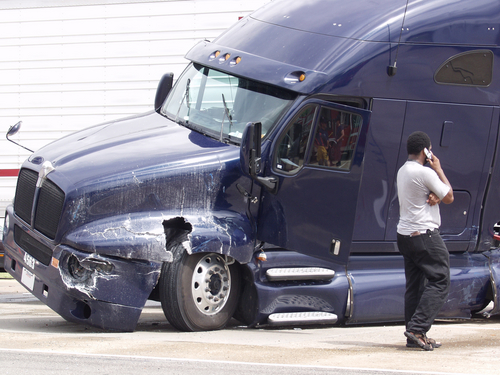
The first 24 hours after a semi-truck accident are critical, yet a shocking 70% of victims unknowingly compromise their case during this crucial window. When an 80,000-pound commercial vehicle collides with a passenger car, the aftermath is often devastating—both physically and emotionally. While you're dealing with injuries and trauma, vital evidence is disappearing by the hour. Skid marks fade, witnesses leave the scene, electronic logging devices get overwritten, and trucking companies mobilize their defense teams immediately. This rapid evidence deterioration explains why so many victims find themselves at a severe disadvantage when seeking compensation later. Understanding what happens in those initial hours can make the difference between securing proper compensation or facing a lifetime of uncovered expenses.
Don't let the clock tick away on your chance for justice. Reach out to Pain Pros today to ensure your rights are safeguarded and evidence is preserved. Call us at 470-724-6776 or contact us to take the first step towards securing the compensation you deserve.
Georgia Truck Accident Laws: Understanding Your Rights When Evidence Matters Most
Georgia operates under modified comparative negligence laws, meaning you can recover damages even if you're partially at fault (up to 49%) for the accident. However, your compensation decreases proportionally to your assigned fault percentage—precisely why preserving evidence is vital. Semi-truck accidents fall under state and federal regulations, creating a complex legal landscape requiring specialized knowledge. The Federal Motor Carrier Safety Administration (FMCSA) imposes strict rules on commercial drivers regarding service hours, maintenance records, and qualification requirements. These regulations create multiple potential liability avenues, from the driver to the trucking company, maintenance providers, or cargo loaders. However, proving these violations becomes nearly impossible when critical evidence disappears within hours of the crash. Georgia's statute of limitations gives you two years to file a personal injury claim, but waiting even 24 hours to secure professional help can significantly weaken your position.
The Critical Timeline: What Disappears When You Don't Act Fast
Understanding what happens to evidence in the hours following a semi-truck crash helps illustrate why rapid response is essential. Most victims don't realize that trucking companies often dispatch rapid response teams to accident scenes immediately—sometimes arriving before police have even completed their initial investigation. These teams work specifically to minimize company liability while victims still process what happened. Here's what vanishes during those crucial first 24 hours:
How an Atlanta Semi-Truck Accident Lawyer Makes a Critical Difference
Securing proper representation immediately after a truck accident isn't just helpful—it's essential for evidence preservation. A qualified truck accident attorney in Atlanta can immediately deploy accident reconstruction experts and investigators to the scene, documenting crucial evidence before it disappears. They can also file emergency preservation letters to prevent trucking companies from "losing" or altering electronic data, maintenance records, and driver qualification files. At Pain Pros, we maintain a 24-hour rapid response protocol to counter the trucking companies' teams. We understand that while you're focusing on medical care, someone must protect your legal interests from the moment of impact. Our approach includes securing police reports before they're finalized, identifying and interviewing witnesses while memories are fresh, and ensuring all electronic data is legally preserved before it can be altered. This comprehensive evidence collection in those first 24 hours has proven to be the differentiating factor in maximizing client compensation across hundreds of Georgia truck accident cases.
The Hidden Evidence Most Victims Never Know Exists
Beyond the apparent accident scene evidence, there's a wealth of critical information that most victims never even know to look for. Commercial trucks generate and maintain extensive data that can prove invaluable to your case—but only if properly preserved. Understanding this hidden evidence is essential to building a comprehensive claim that fully addresses the true scope of liability. Many of these evidence sources are industry-specific and unfamiliar to anyone outside the trucking world, so skilled legal knowledge is crucial.
Technological Evidence Beyond the Black Box
Modern semi-trucks are rolling data centers with multiple systems tracking everything from fuel efficiency to driver behavior. Beyond the "black box" event data recorder, trucks contain satellite tracking systems, collision avoidance technology logs, and engine control modules that record valuable data. We've seen cases where this technological evidence revealed that a driver had multiple near-miss incidents in the hours before the crash, indicating a pattern of fatigue or distraction that wouldn't have been discoverable through traditional investigation methods. Fleet management software used by trucking companies also tracks maintenance schedules, driver assignments, and load information that can reveal company-wide safety violations. Without immediate legal intervention, much of this data becomes inaccessible as systems automatically overwrite older information or companies conveniently "lose" unfavorable records.
Understanding the Trucking Company's Immediate Response Protocol
Many accident victims don't realize that significant trucking companies have sophisticated accident response systems to minimize liability exposure. These protocols activate when an accident is reported, including legal teams, insurance adjusters, and skilled investigators who immediately begin building a defense. According to the American Trucking Association, companies can spend over $100,000 on immediate defense preparation for serious accidents involving their fleet vehicles. This investment pays off when victims remain unrepresented during those crucial early hours and days. Understanding these corporate defense tactics is essential to leveling the playing field.
Warning Signs That Evidence Is Being Compromised
Several telltale signs indicate that a trucking company is working to minimize evidence. If representatives from the trucking company arrive at the scene and begin taking measurements or photographs before the police have completed their work, their rapid response team is already active. Similarly, suppose you receive calls from insurance adjusters seeking recorded statements within hours of the accident. In that case, this is part of a coordinated strategy to lock you into early statements before you fully understand your injuries or legal rights. Most concerning is when trucks are quickly moved from the scene to company facilities where they can be repaired or modified before independent experts can examine them. Georgia truck accident attorneys recognize these tactics immediately and can implement countermeasures to protect evidence integrity, but only if they're involved early enough.
The Long-Term Impact of Early Evidence Collection on Settlement Value
The difference in final settlement values between cases with comprehensive early evidence collection and those without is staggering. While every case is unique, the pattern is clear: cases with thorough documentation from the first 24 hours consistently result in significantly higher compensation. This isn't coincidental—it reflects the reality that concrete evidence provides leverage throughout the legal process. Understanding how early evidence collection impacts long-term case outcomes helps illustrate why immediate action is critical after a truck accident.
How Evidence Strengthens Your Negotiating Position
Substantial evidence doesn't just matter in court—it fundamentally alters the dynamics of settlement negotiations long before trial. When trucking companies and insurers know you've secured comprehensive evidence in those critical first hours, their approach to your case changes dramatically. Instead of dragging out the process with lowball offers and delay tactics, they're more likely to engage in good-faith negotiations, knowing their liability exposure is well-documented. This negotiating leverage directly translates into faster, more favorable settlements that properly account for current and future damages. The most compelling evidence tends to be that which cannot be recreated later—witness statements taken. At the same time, memories are fresh, physical evidence from the scene and time-sensitive electronic data that would otherwise be lost forever.
Creating Your Evidence Preservation Plan
While securing legal representation should be your priority after a truck accident, there are steps you can take personally to help preserve evidence during those crucial first hours. Understanding these basic evidence-preservation techniques can significantly affect your case outcome, especially if there's any delay in connecting with an attorney. These actions supplement but don't replace professional legal assistance—they help protect your interests until more comprehensive measures can be implemented.
Immediate Actions That Protect Your Rights
If you're physically able, taking photographs of the accident scene from multiple angles can preserve crucial evidence before it disappears. Focus on capturing skid marks, vehicle positions, road conditions, and any visible factors that might have contributed to the crash. Collecting contact information from witnesses is equally essential, as these individuals may be impossible to locate later. Document any statements made by the truck driver, especially apologies or admissions like "I didn't see you" or "I was running behind schedule." Request a copy of the police report number at the scene and ask responding officers if dash cam footage is available. Finally, seek immediate medical attention even if you feel "okay." Some serious injuries have delayed symptoms, and medical documentation from day one establishes the crucial link between the accident and your injuries.
Frequently Asked Questions
1. How quickly should I contact an Atlanta semi-truck accident lawyer after a crash?
Ideally, you should contact a truck accident lawyer in Atlanta immediately—even from the accident scene if possible. With critical evidence disappearing hourly, having legal representation within the first 24 hours significantly improves your case outcome. Many truck accident attorneys offer 24/7 emergency response specifically because they understand how time-sensitive these cases are.
2. What specific evidence can a Georgia truck accident attorney preserve that I might miss?
A Georgia truck accident attorney can immediately file legal preservation notices for electronic logging device data, driver qualification files, maintenance records, and dispatch communications. They can also secure truck "black box" data, company safety records, drug and alcohol testing results, and satellite tracking information. Additionally, they can obtain footage from traffic cameras and nearby businesses before it's deleted and deploy accident reconstruction experts to document physical evidence at the scene.
3. Can the trucking company legally alter or destroy evidence after an accident?
Trucking companies cannot legally destroy or alter evidence once notified of a potential claim. However, they can claim routine data overwriting or document destruction without formal legal notice as part of normal business operations. This is why immediate legal intervention is critical—once a spoliation letter is delivered, the company faces severe penalties for any evidence tampering or destruction.
4. How does Georgia's comparative negligence law impact truck accident evidence collection?
Georgia's modified comparative negligence system makes early evidence collection even more crucial because any percentage of fault assigned to you reduces your compensation proportionally. Without solid evidence from the accident's immediate aftermath, trucking companies often argue that you were partially responsible for the crash to reduce their liability. Comprehensive evidence helps establish the true fault distribution and maximizes your potential recovery.
5. What if I was too injured to collect evidence at the scene of my truck accident?
Your health should always be your priority. Suppose you were too injured to collect evidence. In that case, a truck accident attorney can still help by immediately investigating the scene, obtaining police reports, interviewing witnesses, and filing emergency preservation notices for electronic data. Family members can also assist by contacting an attorney while you receive medical care. The sooner legal representation is secured, the more evidence can be preserved despite your inability to collect it personally.
Work with a Semi Truck lawyer
The immediate aftermath of a semi-truck accident creates a critical evidence window that can make or break your case. While you focus on your physical recovery, having a dedicated legal advocate preserving crucial evidence ensures your rights are protected. A knowledgeable truck accident attorney understands both Georgia state laws and federal trucking regulations that impact your case. They can navigate the complex web of potentially liable parties, from the driver to the trucking company, maintenance providers, or cargo loaders. Most importantly, they provide the skilled knowledge to counter the trucking company's immediate defense strategy. If you or a loved one has been involved in a semi-truck accident, consider consulting with a lawyer skilled in these complex cases to ensure that vital evidence is preserved and your right to fair compensation is protected.
Time waits for no one, especially when preserving crucial evidence after a semi-truck accident. Don't let your opportunity slip through the cracks—reach out to Pain Pros today. Call us at 470-724-6776 or contact us to safeguard your rights and secure the compensation you deserve.