
The 30-Second Decision That Could Change Your Life
After a car accident on I-285, an officer asks you to take a breath or blood test. In Georgia, this split-second decision carries serious consequences extending far beyond the accident scene. Understanding your rights and the implications of chemical test refusal after a crash could mean the difference between keeping your license and losing driving privileges for an entire year.
💡 Pro Tip: If you’re ever asked to take a chemical test after an accident, remember that Georgia law enforcement must properly advise you of the consequences before requesting the test – this advisement is legally required and could impact your case.
Feeling overwhelmed by the complexities of Georgia’s implied consent laws after a crash? Don’t go it alone. Reach out to Pain Pros today at 470-724-6776 or contact us to steer through your legal options with confidence.
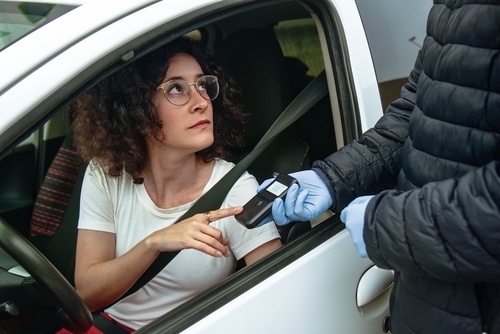
Georgia’s Implied Consent Law: What Every Driver Must Know
When you received your Georgia driver’s license, you automatically agreed to "implied consent." This means you’ve already consented to chemical testing if law enforcement has reasonable grounds to believe you were driving under the influence. Under Georgia Implied Consent Law § 40-5-67.1, refusing state-administered chemical tests triggers an automatic minimum one-year suspension of your driving privileges. This suspension happens regardless of whether you’re ultimately convicted of DUI.
The stakes are higher for certain drivers. If you’re under 21, submitting to a test showing an alcohol concentration of 0.02 grams or more leads to a minimum one-year suspension – the same penalty as refusing. Commercial drivers face disqualification for at least one year if they refuse testing or test at 0.04 grams or higher.
💡 Pro Tip: After submitting to required state tests, Georgia law entitles you to additional chemical tests at your own expense from qualified personnel of your choosing – this right could provide crucial evidence for your defense.
What Happens Immediately After You Refuse Testing
The moment you refuse a chemical test after an accident, a specific legal process begins that moves quickly and requires immediate attention. Understanding this timeline helps you prepare and ensures you don’t miss critical deadlines.
- Officer reports your refusal to the Georgia Department of Driver Services and takes your driver’s license
- You receive a 30-day temporary driving permit
- Within 30 days, you must request an administrative hearing to challenge the suspension
- First-time refusal results in minimum 12-month suspension with no limited driving permit available
- Second DUI conviction within 5 years results in a minimum 18-month suspension. An ignition interlock permit may be available after 120 days for conviction-based suspensions if certain requirements are met, but an ignition interlock permit is NOT available during an administrative suspension arising from a refusal to submit to the state’s chemical test.
💡 Pro Tip: The 30-day window to request a hearing is absolute – missing this deadline means losing your right to challenge the suspension administratively, regardless of circumstances.
Fighting Back: How an Auto Accident Lawyer in Atlanta Protects Your Rights
While refusing a chemical test creates immediate challenges, you’re not without options. Working with an experienced auto accident lawyer in Atlanta becomes crucial when facing license suspension and potential criminal charges. Pain Pros understands the unique complexities of Georgia’s implied consent laws and how they intersect with accident cases. A skilled attorney can examine whether officers followed proper procedures, including providing required advisements about refusal consequences and administering tests according to state protocols.
Your attorney can challenge improper procedures at multiple levels. If officers failed to properly advise you of refusal consequences, the results – or your refusal – might not be admissible. Additionally, Georgia has specific requirements for how the Intoxilyzer 9000 must be calibrated and maintained.
💡 Pro Tip: Like Texas and Washington, Georgia law enforcement can request a warrant to compel blood testing once you’ve refused — officers are authorized to seek judicial warrants to obtain blood samples after a refusal.
The Hidden Consequences Beyond License Suspension
Many drivers focus solely on license suspension when considering whether to refuse testing, but implications extend much further. Georgia prosecutors can use your refusal to submit to a blood test as evidence of "consciousness of guilt" at trial, arguing you refused because you knew you would fail. However, Georgia Supreme Court decisions have limited the admissibility of breath- and urine-test refusals, so breath or urine refusals generally cannot be used as evidence. This means even without chemical test results, you can still face DUI prosecution based on officer observations, field sobriety tests, and, in the case of blood test refusals, your refusal itself. Working with an auto accident lawyer in Atlanta who understands these prosecution tactics becomes essential for mounting an effective defense.
Criminal Penalties That Stack Up
For repeat offenders, consequences multiply dramatically. In Georgia, refusing a breath test after a DUI arrest results in administrative penalties, including automatic license suspension for a minimum of one year for a first refusal, with longer suspension periods for subsequent refusals within five years. The refusal triggers administrative consequences through the Department of Driver Services but is not charged as a separate criminal misdemeanor offense with fines and jail time. Additionally, if your accident resulted in serious injuries or fatalities, chemical testing moves from optional to mandatory under Georgia law, and refusal can lead to enhanced criminal charges.
💡 Pro Tip: Document everything about your interaction with law enforcement immediately – details about what officers said, when they said it, and how they conducted themselves could prove crucial for your defense.
Critical Differences in Testing Types and Your Rights
Understanding the distinction between different test types can significantly impact your case outcome. Many drivers don’t realize preliminary breath tests conducted at the scene before arrest carry different legal implications than post-arrest chemical tests. You can typically refuse preliminary breath tests without triggering implied consent penalties. However, once arrested for DUI following an accident, refusing the official chemical test activates Georgia’s implied consent law and its harsh penalties.
When Testing Requirements Change
The severity of your accident dramatically affects testing requirements and potential consequences. When accidents involve serious injuries or fatalities, officers must administer chemical tests as soon as possible if they have reasonable grounds to suspect impairment. Your right to seek additional testing from qualified personnel remains intact, but the window for obtaining accurate results narrows with each passing hour.
💡 Pro Tip: If involved in a serious accident, be aware that refusing a drug test after car accident situations involving injuries or deaths can lead to enhanced criminal charges beyond standard DUI penalties.
Protecting Younger Drivers and Commercial License Holders
Georgia maintains stricter standards for certain driver categories, recognizing their increased responsibility on the roads. Drivers under 21 face suspension for blood alcohol concentrations as low as 0.02 grams – essentially any detectable alcohol. This near-zero tolerance policy means young drivers must carefully consider whether submitting to testing might actually produce worse outcomes than refusal, since both carry the same one-year minimum suspension.
Commercial Driver Considerations
Commercial drivers face career-ending consequences from chemical test refusal. Beyond the standard one-year disqualification from commercial driving, these professional drivers often lose their livelihood entirely. The 0.04 BAC threshold for commercial drivers – half the standard 0.08 limit – reflects federal regulations that Georgia strictly enforces. Many commercial drivers don’t realize that refusal or failure affects their commercial privileges even when driving personal vehicles. Understanding Georgia Implied Consent Law § 40-5-67.1 becomes especially critical for those whose careers depend on maintaining clean driving records.
💡 Pro Tip: Commercial drivers should know that some employers require immediate notification of any testing refusal or DUI-related incident – failing to report could result in termination regardless of case outcome.
Frequently Asked Questions
Understanding Your Rights After an Accident
When facing chemical testing decisions after a crash, having clear answers to common questions can help you make informed choices that protect your future.
💡 Pro Tip: Write down your questions before consulting with an attorney – the stress of accidents and arrests can make it easy to forget important concerns.
1. Can I still be prosecuted for DUI if I refuse chemical testing in Georgia?
Yes. Prosecutors can pursue DUI charges without chemical test results using other evidence including officer observations, video footage, witness statements, and your refusal itself as evidence of guilt. Georgia maintains two types of DUI laws – impairment-based and per se violations – allowing prosecution through multiple avenues.
2. What’s the difference between refusing a breath test and refusing a blood test in Georgia?
While both refusals trigger the same implied consent penalties, the U.S. Supreme Court’s Birchfield v. North Dakota ruling created important distinctions: the Court held that states can criminalize breath-test refusal but cannot criminalize warrantless blood-test refusal. However, Georgia does not criminalize either type of refusal — it imposes administrative license suspension penalties for refusing chemical tests.
3. How does refusing a drug test after car accident affect injury claims?
Refusal can significantly impact personal injury claims. Insurance companies often argue that refusal indicates impairment, potentially reducing or eliminating compensation even if you weren’t at fault. This creates a complex situation where criminal defense needs intersect with civil liability concerns.
4. What if the officer didn’t read me the implied consent warning properly?
Improper or incomplete implied consent warnings can invalidate both test results and refusal penalties. Georgia law requires specific advisements about consequences, and failure to provide proper notice could result in suppression of evidence or dismissal of administrative penalties.
5. Can I get a restricted license after refusing chemical testing in Georgia?
First-time refusals resulting in 12-month suspensions typically don’t qualify for limited driving permits in Georgia. An ignition interlock permit may be available after serving mandatory suspension periods for conviction-based suspensions if certain requirements are met, but ignition interlock permits are NOT available during an administrative suspension arising from a refusal to submit to the state’s chemical test. Second DUI convictions within five years result in a minimum 18-month suspension and may allow ignition interlock permit eligibility after 120 days if the suspension is conviction-based and requirements are met.
Work with a Trusted Auto Accidents Lawyer
When facing serious consequences of chemical test refusal after an Atlanta crash, having experienced legal representation makes a crucial difference in protecting your rights and future. The intersection of criminal DUI charges, administrative license suspensions, and potential civil liability creates a complex legal landscape requiring comprehensive understanding of Georgia law. Pain Pros brings extensive experience handling these challenging cases, understanding both the technical aspects of chemical testing procedures and strategic considerations for mounting an effective defense. Don’t let a moment’s decision define your future – seek qualified legal guidance to explore all available options.
If you’re caught in the whirlwind of Georgia’s driving laws and feeling unsure of your next step, let Pain Pros guide you through the storm. Don’t hesitate—call 470-724-6776 or contact us to navigate your legal options confidently and safeguard your future.