
The Critical Evidence That Makes or Breaks Your Case
When you’re injured in a rideshare accident, the evidence you collect in the first hours and days can determine whether you receive fair compensation or walk away empty-handed. The shock of an Uber or Lyft accident often leaves victims unsure what to document, who to contact, or how to protect their rights. With rideshare companies employing teams of lawyers to minimize payouts, having the right evidence becomes your strongest defense against being shortchanged for your injuries, lost wages, and pain.
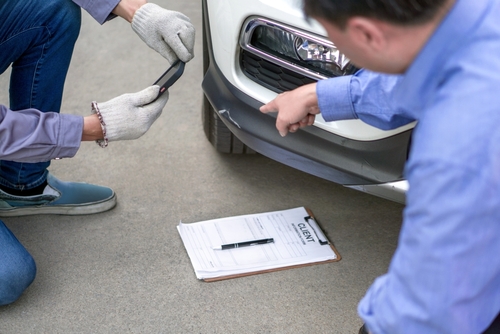
💡 Pro Tip: Take photos of everything at the scene – vehicle positions, damage, road conditions, traffic signs, and your visible injuries. These images become crucial evidence that can’t be recreated later.
Don’t let the complexities of a rideshare accident case overwhelm you. At Pain Pros, we’re here to help you navigate the path to fair compensation. Reach out to us today at 470-724-6776 or contact us to ensure your rights are protected and your case is built on solid ground.
Your Rights Under Georgia Rideshare Laws: What a Rideshare Accident Lawyer in Atlanta Should Tell You
Georgia law treats rideshare accidents differently than standard car crashes, creating unique challenges for victims seeking compensation. When you’re injured in an Uber or Lyft, multiple insurance policies may apply depending on whether the driver was logged into the app, waiting for a ride request, or actively transporting a passenger. A rideshare accident lawyer in Atlanta understands these complexities and knows that rideshare companies must maintain $1 million in liability coverage when drivers are engaged in rides. However, the GAO report finds 16% of ridesharing vehicles have open safety recalls, raising serious questions about vehicle safety standards that your attorney can leverage in building your case.
Beyond insurance coverage, Georgia law requires rideshare companies to conduct background checks on drivers, but enforcement varies widely. Your rights include accessing the driver’s history, the company’s safety protocols, and any prior complaints against the driver. Understanding these rights empowers you to demand full transparency from rideshare companies that often try to limit their liability by classifying drivers as independent contractors rather than employees.
💡 Pro Tip: Request the rideshare driver’s insurance information and the ride details from the app immediately – companies may limit access to this data after 24-48 hours.
The Evidence Collection Timeline That Protects Your Claim
Time works against rideshare accident victims, making swift evidence collection essential for a successful claim. Georgia law mandates specific deadlines that impact your ability to gather crucial documentation. The Georgia DOT requires police to submit accident reports within 3 business days for recordkeeping and insurance purposes, meaning official documentation becomes available quickly – but you must know how to access it.
- Immediately at scene: Photograph vehicles, injuries, road conditions, and gather witness contact information
- Within 24 hours: Screenshot your ride details from the app, report to rideshare company, seek medical attention
- Within 3-5 days: Obtain police report using the report number from Georgia DOT
- Within 1 week: Request surveillance footage from nearby businesses before it’s deleted
- Within 2 weeks: Document ongoing symptoms, collect medical records, track lost wages
- Within 30 days: Consult with attorney to preserve electronic evidence before it disappears
💡 Pro Tip: Create a dedicated email folder and physical file for all accident-related documents – organization now saves hours of searching later during negotiations or litigation.
Building Your Strongest Case with Pain Pros
Winning your rideshare accident case requires more than just collecting evidence – it demands strategic presentation and deep understanding of how insurance companies evaluate claims. At Pain Pros, we’ve seen how proper evidence documentation can transform a lowball settlement offer into fair compensation that covers all your damages. A skilled rideshare accident lawyer in Atlanta knows which evidence carries the most weight and how to present it effectively to insurance adjusters and juries.
The key lies in connecting your evidence to specific damages. Medical records must clearly link injuries to the accident, witness statements should corroborate your version of events, and documentation of lost wages needs to show direct causation. Our approach involves building a comprehensive evidence portfolio that tells your complete story, from the moment of impact through your ongoing recovery.
💡 Pro Tip: Keep a daily pain journal documenting how injuries affect your life – insurance companies often undervalue pain and suffering without detailed personal accounts.
Digital Evidence: The Game-Changer in Modern Rideshare Cases
Technology creates unique evidence opportunities in rideshare accidents that didn’t exist in traditional car crashes. Your smartphone likely contains GPS data showing your exact route, speed, and any sudden stops or swerves before impact. The rideshare app itself records pickup locations, destinations, and driver behavior ratings. When working with a rideshare accident lawyer in Atlanta, this digital footprint becomes powerful proof of negligence, especially when combined with the driver’s app data showing whether they were distracted by accepting new rides while transporting you.
Leveraging App Data and Electronic Records
Rideshare companies collect massive amounts of data but rarely volunteer it without legal pressure. This includes driver login times, previous passenger complaints, and vehicle maintenance records. The Georgia crash data and reporting systems through GDOT’s dashboard can reveal patterns of accidents at specific locations or involving particular rideshare services. Smart attorneys subpoena this electronic evidence early, before companies can claim it’s been deleted according to their data retention policies.
💡 Pro Tip: Enable location services and keep your phone charged after an accident – your device’s data can verify crucial details about speed, route deviations, and impact timing.
Medical Evidence That Insurance Companies Can’t Ignore
Insurance adjusters scrutinize medical evidence more closely than any other documentation, looking for gaps in treatment or pre-existing conditions to reduce payouts. Comprehensive medical documentation starts with immediate emergency room visits, even for seemingly minor injuries that may worsen over time. Your rideshare accident lawyer in Atlanta should emphasize obtaining detailed physician notes that specifically attribute injuries to the rideshare accident, not vague statements about “motor vehicle accidents” that insurers can challenge.
Documenting Hidden Injuries and Long-Term Impact
Many rideshare accident injuries don’t fully manifest until days or weeks later, particularly soft tissue damage, concussions, and psychological trauma. Georgia’s statute of limitations gives you two years to file a lawsuit, but waiting to seek treatment creates documentary gaps that defense attorneys exploit. Consistent medical follow-up, including specialists like neurologists for head injuries or psychiatrists for anxiety and PTSD, builds an evidence trail showing the accident’s true impact on your life. Economic experts can then calculate future medical costs based on this comprehensive documentation.
💡 Pro Tip: Request copies of all diagnostic imaging (X-rays, MRIs, CT scans) on disc – these objective medical proofs carry significant weight in settlement negotiations.
Witness Testimony and Third-Party Evidence
Independent witnesses provide credibility that partisan testimony from drivers and passengers lacks. Fellow passengers, pedestrians, and other drivers offer unbiased accounts that can corroborate your version of events or contradict the rideshare driver’s claims. A rideshare accident lawyer in Atlanta knows how to locate and interview witnesses while memories remain fresh, securing written statements or recorded depositions that preserve testimony even if witnesses become unavailable later.
Surveillance Footage and Official Records
Modern cities contain numerous cameras from businesses, traffic monitors, and residential security systems that may have captured your accident. However, most surveillance systems overwrite footage within 7-30 days, making immediate action crucial. Additionally, official records like 911 call transcripts, EMS run sheets, and police body camera footage provide contemporaneous evidence of injuries and fault determinations. These records often contain admissions or observations that contradict later claims by the rideshare driver or company.
💡 Pro Tip: Canvas businesses within a two-block radius for security cameras – even partial footage showing vehicle positions before or after impact can prove crucial.
Frequently Asked Questions
Evidence Collection Concerns
Victims often worry about overwhelming documentation requirements or making mistakes that could harm their case. Understanding what evidence matters most and how to preserve it properly eliminates confusion and strengthens your claim from day one.
💡 Pro Tip: Don’t wait for “perfect” evidence – document everything available and let your attorney determine what’s most valuable for your specific case.
Legal Process and Next Steps
Knowing what happens after evidence collection helps you prepare mentally and financially for the road ahead. Most rideshare accident cases settle without trial, but having trial-ready evidence improves your negotiating position significantly.
💡 Pro Tip: Ask potential attorneys about their specific experience with rideshare cases – these require different strategies than standard auto accidents.
1. What evidence is most important for a rideshare accident lawyer in Atlanta to build my case?
The most critical evidence includes police reports, medical records linking injuries to the accident, rideshare app data showing driver status, witness statements, and photographic documentation of the scene. Digital evidence like GPS data and driver logs often proves crucial, as does surveillance footage if available. Your attorney will also need documentation of lost wages, medical bills, and how injuries impact your daily life.
2. How quickly do I need to collect evidence after my Uber or Lyft accident?
Evidence collection should begin immediately at the accident scene. Take photos before vehicles are moved, get witness information before they leave, and screenshot your ride details within 24 hours. Georgia DOT receives police reports within 3 business days, so you can obtain official documentation quickly. However, some evidence like surveillance footage may be deleted within days, making immediate action crucial for preserving your rights.
3. Can I still build a strong case if the rideshare driver blames me for the accident?
Yes, driver accusations don’t determine fault. Georgia follows modified comparative negligence rules, meaning you can recover damages if you’re less than 50% at fault. Evidence like app data showing driver distractions, witness statements, traffic camera footage, and accident reconstruction can prove the driver’s negligence despite their claims. Document everything and don’t accept blame at the scene.
4. What if the rideshare company denies their driver was working during my accident?
Rideshare companies sometimes claim drivers weren’t “engaged” to avoid liability. Your app receipt, credit card charges, and GPS data can prove otherwise. An experienced attorney can subpoena driver logs showing their app status and match timestamps with your ride. Email confirmations and in-app messages also demonstrate the contractual relationship at the time of your accident.
5. How do I prove my injuries are serious enough to warrant compensation?
Consistent medical treatment creates the paper trail insurers require. Document all symptoms, follow prescribed treatments, and attend every appointment. Photograph visible injuries as they evolve, maintain a pain journal, and track how injuries affect work and daily activities. Expert testimony from doctors can establish long-term prognosis and future care needs, strengthening your compensation claim.
Work with a Trusted Rideshare Accidents Lawyer
Rideshare accident cases demand specific expertise that general car accident attorneys may lack. Understanding the interplay between state laws, company policies, and insurance coverage requires staying current with rapidly evolving rideshare regulations. The right legal representation knows which evidence to prioritize, how to preserve digital data before it disappears, and when to act aggressively to protect your interests against well-funded corporate legal teams.
Don’t let the aftermath of a rideshare accident leave you in the lurch. At Pain Pros, we’re ready to help you secure the compensation you deserve. Give us a ring at 470-724-6776 or contact us today to ensure your case is built on a rock-solid foundation.